
Remote and hybrid work have become an important part of the modern business environment. Companies in many industries are changing how employees collaborate, communicate and manage daily responsibilities as flexible working arrangements become more common.
The shift has created new opportunities for businesses while also introducing challenges related to productivity, communication and company culture.
Businesses Are Redesigning Workplaces
Many companies no longer require every employee to work from a traditional office five days a week.
Instead, some organisations are adopting hybrid schedules where employees divide their time between home and the workplace. Others allow eligible workers to operate remotely for most or all of their working hours.
This approach can give employees greater flexibility while allowing companies to rethink how much office space they actually need.
Access to Wider Talent
One major advantage of remote work is that companies can search for employees beyond their immediate geographic area.
Businesses may be able to recruit people with specialised skills from different cities or countries. This can be particularly useful for technology, design, marketing and other professions that can be performed online.
However, hiring across different locations can also create challenges involving time zones, employment regulations and communication.
Communication Has Become More Important
Remote teams depend heavily on digital communication.
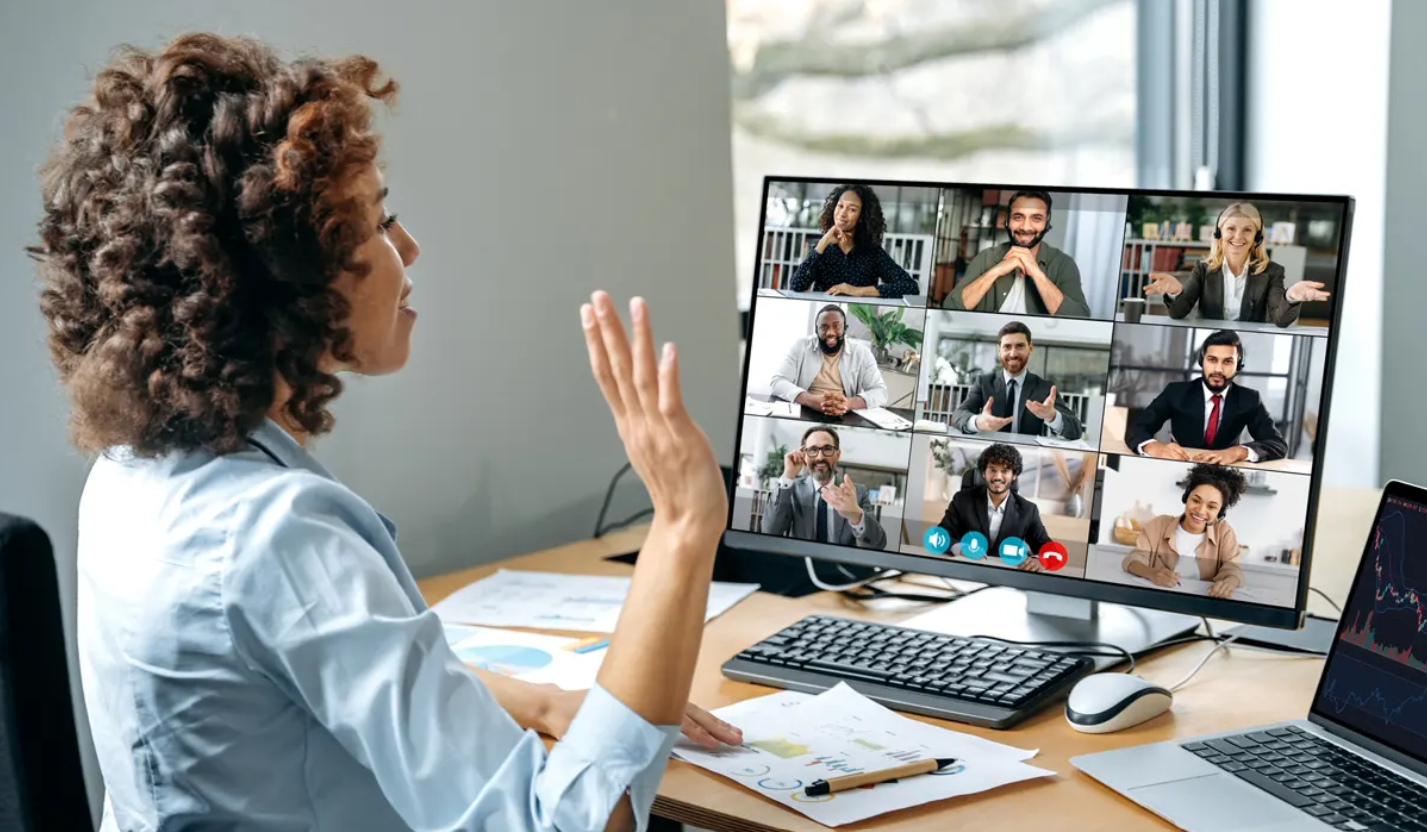
Video meetings, project management platforms and messaging applications allow employees to stay connected without being in the same office.
However, too many meetings can also reduce productivity. Companies are increasingly looking for ways to balance regular communication with uninterrupted time for employees to complete important work.
Company Culture in a Remote Environment
Building a strong company culture can be more difficult when employees rarely meet face to face.
Businesses are experimenting with virtual meetings, team activities and occasional in-person events to help employees maintain connections with colleagues.
Managers also need to communicate expectations clearly and ensure remote employees have equal access to information and opportunities.
What Does the Future Hold?
Remote and hybrid work are likely to remain important options for many businesses.
The most successful approach may vary depending on the industry, job responsibilities and individual company culture. Rather than following one universal model, businesses are increasingly experimenting with different arrangements.
As workplace technology continues to improve, companies will likely focus more on results, collaboration and employee experience rather than simply measuring how many hours people spend inside an office.