
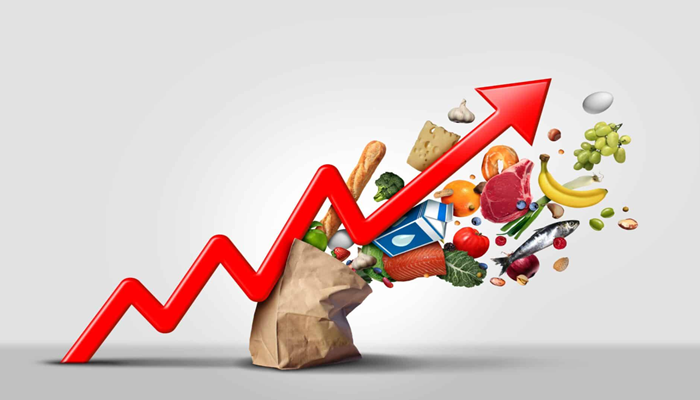
Households are becoming more careful about how they spend money as the cost of everyday goods and services remains an important concern for consumers.
When essential expenses take up a larger share of household budgets, people often change their purchasing habits. Some may delay large purchases, compare prices more carefully or choose lower-cost alternatives.
Consumers Are Comparing Prices More Carefully
Price comparison has become an increasingly common part of everyday shopping.
Consumers can easily check prices across different stores and online platforms before making a purchase. This gives shoppers more information and can encourage businesses to remain competitive.
Discounts, promotions and loyalty programmes can also influence purchasing decisions, particularly when households are trying to control monthly expenses.
Essential Spending Gets Priority
When household budgets become tighter, consumers often prioritise essential expenses such as food, housing, transportation and utilities.
Non-essential purchases may be delayed or reduced. This can affect businesses that depend heavily on discretionary spending, including restaurants, entertainment providers and certain retail sectors.
The impact can vary significantly between households depending on income, location and existing financial commitments.
Businesses Are Responding
Changing consumer behaviour can encourage companies to adjust their strategies.
Some businesses introduce smaller product sizes or lower-priced options to attract budget-conscious customers. Others focus on promotions and value-based offers.
Companies also need to monitor changing demand carefully because consumer preferences can shift quickly when economic conditions change.
Savings Become More Important
Economic uncertainty can also encourage households to pay greater attention to savings.
People may review subscriptions, reduce unnecessary purchases and create more structured monthly budgets. Even small changes in regular spending can become significant over a longer period.
However, household financial decisions depend on individual circumstances, and there is no single approach that works for everyone.
The Wider Economic Impact
Consumer spending is an important part of economic activity. When millions of households change their spending patterns, businesses can experience changes in demand.
This can influence production, employment and investment decisions.
For consumers, the current environment highlights the importance of understanding household expenses and making informed purchasing decisions. For businesses, it creates a need to respond quickly to changing customer priorities.
The economy is influenced by many factors, but consumer behaviour remains one of the clearest indicators of how households are responding to changing financial conditions.