Practical skills are becoming increasingly important in modern education
 By Rachel · 3 min read · Updated
Automatically translated from German. · Read original
The education system is undergoing change, as pupils and students are increasingly looking beyond traditional academic qualifications and focusing on practical skills that can help them prepare for their future careers.
Schools, universities and educational institutions are placing greater emphasis on communication, problem-solving skills, digital literacy and other skills that can be useful in the workplace.
Learning beyond textbooks
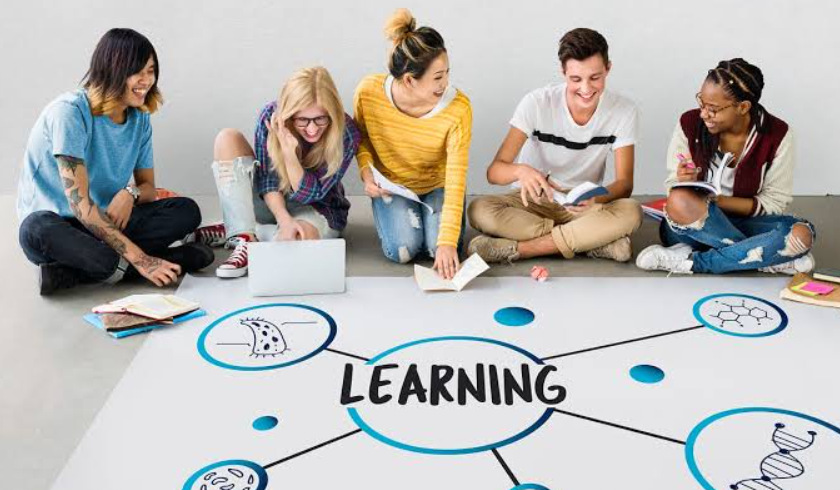
Whilst traditional classroom learning remains important, pupils are increasingly being encouraged to apply what they have learnt to real-life situations.
Projects, presentations, group activities and practical tasks can help pupils understand how academic concepts work outside the classroom.
This approach can also encourage pupils to develop self-confidence and independent thinking.
Digital skills are crucial
Technology has become an integral part of education and the workplace.
Pupils who are proficient in using basic digital tools can often research, communicate online and organise information more effectively. Advanced digital skills can also open up opportunities in areas such as programming, design and data analysis.
Digital education should, however, go beyond the mere use of devices. Pupils must also understand online safety, the responsible use of technology and how to evaluate information found on the internet.
Communication is a valuable skill
Good communication skills benefit pupils in almost every area.
Clear writing, confident speaking and effective collaboration with others are useful skills for both education and working life.
Group projects offer pupils the opportunity to practise collaboration, leadership skills and problem-solving.
Critical thinking is essential
Given the vast amount of information available online, critical thinking is becoming increasingly important.
Pupils must learn how to distinguish reliable information from misleading or inaccurate content. Rather than accepting every claim made online at face value, they should get into the habit of checking evidence and considering different sources.
This skill can help pupils make better decisions both inside and outside the classroom.
Preparing pupils for the future
The labour market is constantly changing as technology and industries evolve. Some professions that will become more important in the future may differ significantly from the most common jobs of today.
Education systems therefore face the challenge of preparing pupils for a future that cannot be predicted with absolute certainty.
A balanced approach that combines academic knowledge with practical skills can provide pupils with a more solid foundation.
Ultimately, education is not just about passing exams. It is also about helping young people develop the knowledge, self-confidence and skills they need to continue learning throughout their lives.